Lime Macro

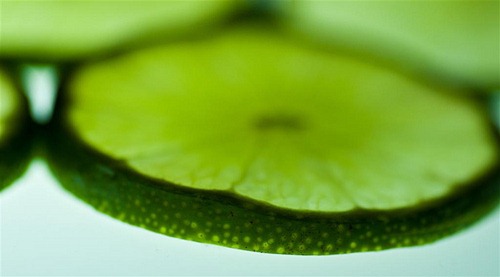
I’ve had a pretty productive day, which is quite rare lately. After my walk this evening, I took some slices of lime and experimented with my 100mm macro lens.

lime2

  • Camera | Nikon D90  ~  Lens | Tokina 100mm Macro 2.8
  • Exposure | 0.01 sec (1/100)  ~  Aperture | f/4.2
  • Focal Length | 100 mm  ~  ISO Speed | 200
  • Flash off - No Tripod

Other angles -

--

“There is only you and your camera. The limitations in your photography are in yourself, for what we see is what we are.” -Ernst Haas

Mystery Flower

On my walk last night I ran across this interesting looking flower.

RRT001

  • Camera | iPhone 3GS
  • Software | Camera+ – Auto/Depth of field

After posting to FaceBook/Instagram/Twitter, a couple of people were kind enough to tell me what kind of flower it is.

Passiflora, also known as the Passion Flower. (Wikipedia article)

Passion Flower Vine ( Passiflora caerulea )

--

“If you see something that moves you, and then snap it, you keep a moment.” – Linda McCartney

Center of the Universe

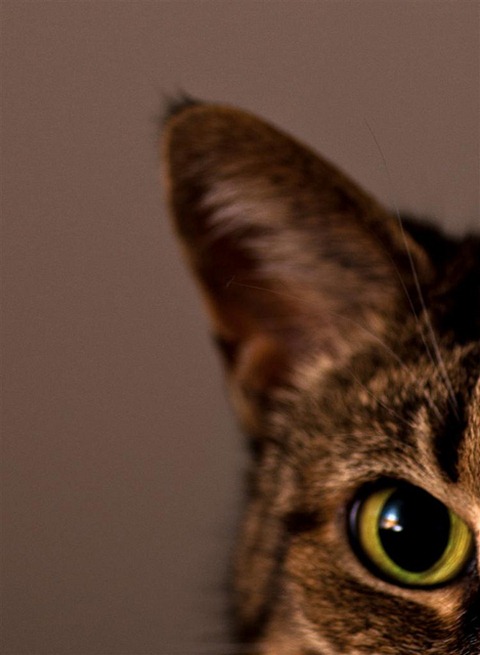
Busy Monday. Just having some quick fun with my Tokina 100mm lens.

Day115

  • Camera | Nikon D90
  • Exposure | 0.2 sec (1/5)  ~  Aperture | f/4.0
  • Focal Length | 100 mm  ~  ISO Speed | 200
  • Flash on - No Tripod

2011 MS 150–Photos

2011_bp-ms-150-logo-color

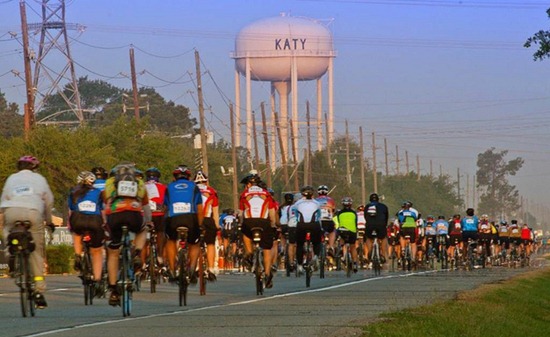
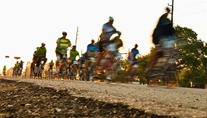
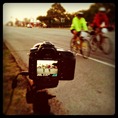
I had been wanting to practice panning and motion blur shots, so at the last minute, I decided I wanted to photograph the MS 150 start on Saturday morning (4/16). The MS 150 is a charity bike ride for Multiple Sclerosis that goes from Houston to Austin over a two day period. Hundreds of people on bikes is definitely good practice for panning.

ms-2

ms-1ms-3ms-4

2011 MS 150 – Start –- on Picasa

--

“Photography takes an instant out of time, altering life by holding it still.” -Dorothea Lange

Tokina 100mm f/2.8 Macro Lens

0106tokina04

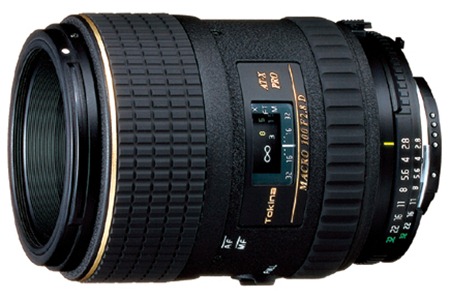
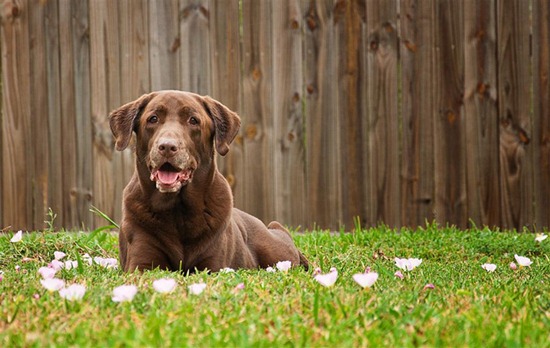
A couple of weeks ago I purchased the Tokina 100mm f/2.8 AT-X Macro lens. I've been wanting to do some Macro photography and the Tokina 100mm Macro is a great lens. This lens is not only a great macro lens, but a pretty good portrait lens as well. It has taken me a little while to get used to how the lens focuses and I still have a ways to go, but I have included a sampling of my shots below.

mac-5

mac-1mac-2mac3mac-4

Additional Information

Tokina 100mm f/2.8 AT-X PRO Group on Flickr
Tokina’s AT-X 100mm f/2.8 PRO D Macro Lens; Close-Ups For Digital
Tokina 100mm f/2.8 AT-X PRO 1:1 Macro
Tokina AT X 100 AF PRO D - Macro lens 100mm f/2.8 - On Amazon

--

“If you see something that moves you, and then snap it, you keep a moment.” - Linda McCartney

Photography Podcasts I Like

20110410-DSC_039s

I have a pretty long commute to work each day. I have found that audio books and podcasts are a great way to spend that commute. I thought I would share the photography-related podcasts that I listen to.

Some video podcasts that I like to watch are below -- of course not while I'm driving.

I know there are more podcasts/video casts out there. I will update my list as I come across them.

Happy learning!

--

“Photography takes an instant out of time, altering life by holding it still.” - Dorothea Lange

League City Photography Meet Up – 04.07.11

lcPhoto The April 2011 League City Photography Meet up took place on 4/7/11. Below are my notes.

Announcements

Upcoming Events

--

Topic – What is Raw Mode?

David did a great job of summarizing a tutorial/article on using RAW. The below has been taken from this article on Luminous Landscape.

What is Raw Mode?

When a digital camera makes an exposure the imaging chip (whether it's CCD or CMOS) records the amount of light that has hit each pixel, or photo site. This is recorded as a voltage level. The camera's analog to digital circuitry now changes this analog voltage signal into a digital representation. Depending on the camera's circuitry either 12 or 14 bits of data are recorded. Incidentally, if the camera records 12 bits of data then each pixel can handle 4,096 brightness levels (2^12), and if 14 bit then it can record 16,384 different brightness levels (2^14). (To my knowledge no current imaging chip records a true 16 bits worth of data).

Of course what happens after you've taken the photograph depends on whether you have the camera set to save images to the memory card as raw files or JPGs.

If you've saved the file in raw mode when it is subsequently loaded into a raw conversion program and then saved to a TIFF or .PSD format file it can be exported in 16 bit mode. The 12 or 14 bits recorded by the camera are then spread over the full 16 bit workspace. If you've saved the file in-camera as a JPG than it is converted by the camera's software to 8 bit mode and you will only ever have 256 brightness levels to work with.

I took away from this that unless you are going straight to print or web, you should refrain from saving and re-saving to JPEG files. The tutorial contains quite a bit more information on using RAW files, so I suggest giving the entire article a read.

--

Additional Information & Links

Photos from the Group

5573120076_57abd08177_z

--

"Photography is a way of feeling, of touching, of loving. What you have caught on film is captured forever... it remembers little things, long after you have forgotten everything.” -Aaron Siskind

Photography Links of the Month for MAR 2011

This is my latest installment of photography-related links that I have found interesting in the last month.

My flickr photo picks for the month (ie Other People's Photos That I Like)

Bale Grist Millmar-1Narcissus mar

mar-5mar-6mar-7mar-8mar-9


Links for the month

Inspirational Photo Links

Other Photography Link Collections

--

"A photograph is usually looked at - seldom looked into."  -Ansel Adams

High Dynamic Range (HDR) Photography

hdr1

High Dynamic Range Photography (HDR) is performed by taking two or more different exposures of the same scene and merging the photos to create a unique looking, evenly exposed photograph. Wikipedia defines HDR as a set of techniques that allow a greater dynamic range of luminance between the lightest and darkest areas of an image than current standard digital imaging techniques or photographic methods.

The main process is to set your camera to bracket your shots (my Nikon D90 brackets 3 shots). The bracket includes one regular + one underexposed + one overexposed shot. A tripod is pretty much required, unless you have a really stable surface to sit yout camera on.  I then take the three shots and merge/process them in PhotoMatix Pro. I am sure, I am not doing everything correctly, but I like what I see so far. There is a lot still to learn. Below I have listed some of the resources that I have run across online.

Tutorials and Resources

Software

Inspiration

--

hdr3    hdr2

Happy shooting!

--

“There is only you and your camera. The limitations in your photography are in yourself, for what we see is what we are.” - Ernst Haas

League City Photography Meet Up – 03.03.11

lcPhoto

The March 2011 League City Photography Meet up took place on 3/3/11. Below are my notes.

Announcements

Theme for March ‘11 is Circles and Squares.

Upcoming Events

--

Topic – Aperture

Mike did a great job defining and explaining Aperture. Below are the high points I took away.

    • Aperture is also known as a diaphragm
    • Standard aperture settings are f/1.8, 2.8, 3.5, 5.6, 8, 11, 16, 22, 32
    • 1.8, 2.8, 3.5, 5.6 = "Isolation" apertures --> provides shallow Depth-of-Field
    • 8, 11 = "Who cares" apertures
    • 16, 22, 32 = "Story telling" apertures --> provides great Depth-of-Field
    • f/22 is the best for wide angle shots
    • The "sweet" spot is usually one stop down from wide open

--

Additional Information & Links

Photos from the Group

5439361455_5f9fc41b15

--

"Photography is a way of feeling, of touching, of loving. What you have caught on film is captured forever... it remembers little things, long after you have forgotten everything.” -Aaron Siskind

Photography Links of the Month for FEB 2011

This is my latest installment of photography-related links that I have found interesting in the last month.

My flickr photo picks for the month (ie Other People's Photos That I Like)

feb-1feb-2feb-3feb-4

feb-5feb-6feb-7feb-8ll

Links for the month

Inspirational Photo Links

Other Photography Link Collections

--

"A photograph is usually looked at - seldom looked into."  -Ansel Adams

Galveston - Saturday Outing - 02.12.11

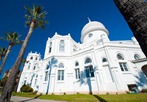
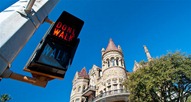
Last weekend we took a quick trip to Galveston. We were lucky enough to make it to the seawall about 20 minutes before sunrise. After sunrise, we grabbed a coffee at Lasso a Latte and then jumped on the Bolivar Ferry. We drove around Bolivar for a little while then headed back to take a few shots of some of the architecture in Galveston.

5439966454_8fdc68c014_z

5439361455_5f9fc41b155439361505_3c0d5b6ca55439966616_d3c5c58ba65439966934_ce64080a835439361615_44d6c8b6915439966762_a9da9648885439966894_c2e27f69fc

All photos:  Flickr Set | Picasa Set

It was a beautiful day for a trip to the beach.

--

“Photography takes an instant out of time, altering life by holding it still.” - Dorothea Lange

Forbidden Gardens

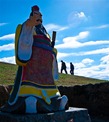
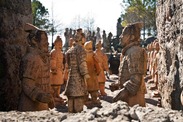
A couple of weekends ago, we visited Forbidden Gardens (Twitter | Facebook) in Katy, Texas. I had found out from the League City Photography Meetup Group that this wonderful place was going to be closing soon to make way for the Grand Parkway expansion. The group went on Saturday, 2-5-11. I was still recovering from the flu that day, but we were lucky enough to go the next day. It was a beautiful day!

fg1

fg2fg3fg5fg6

All photos:  Flickr Set | Picasa Set

It is a shame this cool place is going away :(

--

“Photography can only represent the present. Once photographed, the subject becomes part of the past.” - Berenice Abbott

Photography Links of the Month for JAN 2011

RMSP Weekends - Day Two

rmsp

I attended a weekend photography conference last weekend. This conference is called RMSP Weekends and it is put on by the Rocky Mountain School of Photography. I highly recommend checking it out if it comes to your area as I feel I learned a ton!

The sessions I attended for Day Two 

    • Composition – Designing a Great Photo
    • Photographing People
    • Critique Session

The notes I took

Composition: Designing A Great Photo

Instructor: Tony Rizzuto

When photography bugs (bees, butterflies, etc) - do so early in the morning, before they become active.

Bright tones are active (warm), Dark tones are passive (cool)

Eyes always need to be sharp

Fill the frame - move closer or zoom in

Focal Length

    • Wide angle - brings dominance to closer objects - makes a bumper look bigger to the boat in the background
    • Telephoto - subjects are compressed

Lines

    • Horizontal - restful, tranquil, grounding
    • Vertical - stable, static, powerful
    • Diagonal - active, feeling of depth
    • Intersecting
    • Leading Lines - active, leads viewers eye
    • Converging Lines - leads to something (railroad tracks)
    • S-Curves - elegant and calming
    • Arcs - graceful, make sure not to clip
    • Implied Lines
    • Shape - circle, square, triangle

An odd number of objects in a scene is better than even. (3 objects rather than 2 or 4)

Negative Space - area of the photo where your subject is not

Rule of Thirds - Left = comfort, Right = Tension

Perspective

Power points

Balance - calming, easy to look at. Imbalance creates tension.

A-Symmetrical balance - equal weight, different places in the frame

Rhythm/repetition

Color - Red = active, Blue = calm

Recommended Photographers

Main goals of Composition

    • Create photos with a clarity of the subject
    • Think simplicity
    • Move the viewer through the image with intention
    • Keep your viewer in your photographs
    • Give your viewer a place to rest

--

Photographing People

Instructor: Tony Rizzuto

2 types of people photography

    • portrait
    • environmental portrait

Elements of a portrait - eyes, light, expression, background, fill frame, directness

Elements of an environmental portrait - quality of light, background, fill frame, clarity of idea/story

12-35mm wide-angle lens is ideal for an environmental portrait

50-100mm lens is ideal for a portrait

telephoto lens (70-300) - compresses space, so it takes in less background

RMSP Weekends - Day One

rmsp

I attended a weekend photography conference last weekend. This conference is called RMSP Weekends and it is put on by the Rocky Mountain School of Photography. I highly recommend checking it out if it comes to your area as I feel I learned a ton!

The sessions I attended for Day One 

    • Understanding Exposure: Using the Zone System for Color
    • Workflow: Processing Your Images with Adobe® Lightroom®
    • Light: Creating Mood and Dimension
    • Keeping Your Photography Fresh

The notes I took

Understanding Exposure

Tim Cooper - Tim Cooper Photography

Reflected Meter

Middle Grey - Average Reflectance

Camera automatically turns white into a gray and black into a gray

Meter Types

    • Center-Weighted Meter
    • Partial Meter
    • Spot Meter
    • Evaluative/Matrix Meter (used in P-mode)

Exposure Meter is usually at the bottom or on the side of the frame

Auto-Bracketing (used for HDR)

Checking Exposure

    • Find average brightness
    • Zero out meter
    • Check highlights

Zone III - VII = 5 stops of latitude

Aperture priority mode - may need to use the exposure compensation dial in addition to all the normal setup. Need to try using Manual Mode as the norm

Biggest take-away: EXPOSE FOR YOUR MID-TONES AND CHECK OUR HIGHLIGHTS!!!!!!!!!!!!!!!

--

Processing Your Images With Adobe LightRoom

Tim Cooper - Tim Cooper Photography

Library Module

    • Loop Mode
    • Grid Mode

Shortcuts

    • P - Pick
    • X - Reject

Library filter

keywording

Apply During Import

    • File Renaming
    • Presets
    • Meta Data Template

Note: This instructor strongly suggests putting LightRoom catalog and all photos on a large, external hard drive so you can work with them on any machine that has LR installed. Backup that device onto two other HD's. Something to consider.

Space bar, blows up a photo on the screen

Crop tool not only crops a photo, but you can apply a print size to it as well. (ie, 5x7, 8x10, etc)

Saving "Develop" presets.

--

Lighting: Creating Mood and Dimension

Tony Rizzuto

Brightness is defined as the amount of light in a scene

ISO,shutter speed and aperture affect the amount of light

Contrast is defined as the difference in brightness between the highlights and the shadows.

Really dark shadows (no detail) - blocked out

Really bright highlights (no detail) - blown out

The human eye can see 15 stops of brightness in a scene

stop = change in brightness (x2) => 2, 4, 8, 16, 32, etc

B&W negatives contain 10 stops

Contrast is created by 3 things: the direction of the light source, the size of the light source and the distance of the light source.

Types of light

    • Front light (0-45 degrees) is considered low contrast because there are no shadows.
    • Side light (45-90 degrees) is considered high contrast
    • Back light is considered low contrast.
    • Diffuse light - light falls on the subject from many directions.

Larger the light source, the lower the contrast

Farther the light source is, the higher the contrast. So while the Sun is very large, it is very far away, making it high contrast.

Tools for Modifying Contrast

    • Scrim or Diffuse disk (light source | scrim | subject)
    • Reflector (light source | subject | reflector) (silver=cool, gold=warm, white=neutral, black=absorbs - deepen shadows)
    • Fill flash

Flash and direction - bounce the flash (wall, ceiling, floor)

Using Fill Flash

    • Create exposure based on the ambient light
    • Make sure the shutter speed does not exceed the camera's sync speed

TTL - Through The Lens

White Balance

    • Cloudy - adds yellow to the scene
    • Open Shade - Adds yellow to the scene
    • Tungsten - adds blue to the scene
    • Daylight - No correction to color. Ideal for a sunny/cloudless day.

NOTE: Since the daylight WB makes no correction to color, it is great for sunset, sunrise and night photography.

NOTE: To get a starburst effect, close down to f/16

Caucasian skin tone is 1 stop brighter than normal.

Recommended flash - SB-600

Recommended gear - Gary Fong Puffer Pop up Flash Diffuser

--

See next post for Day Two

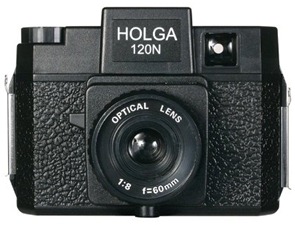
The Holga

holga

I purchased a Holga camera recently because I have been loving what I see coming from this camera online.

A Holga is basically a medium format toy camera. To me, the biggest learning curve besides loading film (which I have not done in a long time) is the lack of instant gratification. My husband laughs at me when I immediately look at the back of the camera after taking a shot, forgetting I have to wait to see what it looks like. I chalk it up to teaching me not to “chimp”.

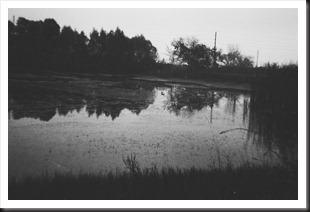
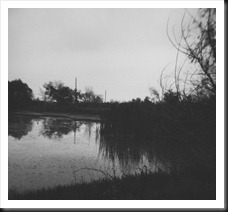
I used up the first roll of film and sent it off to Dwayne’s Photo and got it back a couple of days ago. I have to say I was not expecting anything usable, but I think I got a couple of okay shots out of the 12 exposures.

003 - Copy 002 - Copy

I am hoping for a few more with the next roll. :-)

Additional Information

--

“Photography is a small voice, at best, but sometimes one photograph, or a group of them, can lure our sense of awareness.” -W. Eugene Smith